

The best winter camping tents are designed to provide dependable shelter when cold temperatures, snow, rain, and strong winds make outdoor adventures more challenging. Unlike standard camping tents, four season shelters typically offer stronger frames, weather resistant fabrics, waterproof floors, improved snow and wind protection, and ventilation systems that help manage condensation.
Whether you are planning a winter backpacking trip, an alpine adventure, or a relaxing cold weather campsite, choosing the right tent can make a significant difference in comfort and protection. In this guide, we’ll explore the key features, top picks, and advantages of some of the best winter camping tents, followed by a practical buying guide covering the most important factors to consider.
We’ll also answer common FAQs to help you choose a reliable winter shelter that matches your camping needs.
Best Tent for winter Camping
1}MSR Access 1-Person Lightweight 4-Season Tent

The MSR Access 1-Person Lightweight 4-Season Tent is an excellent choice for solo winter camping, ski touring, snowshoeing, and fast-moving alpine adventures. Designed to provide more warmth and winter protection than a typical three-season backpacking tent without the bulk of a traditional mountaineering shelter, it weighs just 3 lbs (1.37 kg). Its combination of a strong central-support frame, limited mesh, weather-resistant fabrics, and compact design makes it particularly appealing to campers who want dependable shelter while keeping their pack weight low. (Cascade Designs)
Strong Central-Support Frame
One of the most useful design elements is the central-support frame, which helps the tent maintain its shape under overnight snow loading while making efficient use of the available interior space. The freestanding design also makes pitching easier in cold environments, an important advantage when you’re dealing with gloves, snow, or changing weather. The frame uses Easton Syclone composite pole technology designed to resist breakage in challenging winter conditions. (Cascade Designs)
Warm and Comfortable Interior
For winter camping, limiting unnecessary airflow can make a significant difference. The Access 1 uses limited mesh on the tent body, helping retain warmth on cold nights compared with heavily ventilated three-season shelters. It provides approximately 19 square feet of floor space, an 84 x 33-inch floor, and around 40 inches of peak height, giving one camper useful room to sleep and organize essential equipment. (Cascade Designs)
Weather-Resistant Rainfly
The rainfly is made from 20D ripstop nylon with a 1200mm Xtreme Shield polyurethane and silicone coating. This construction is designed to provide protection from wet winter weather while keeping the shelter lightweight. The tent also has a 30D ripstop nylon floor with a 3000mm waterproof rating, adding another layer of protection between the camper and wet or snowy ground. (Cascade Designs)
Ventilation Helps Manage Condensation
Although the Access 1 is designed to retain warmth, it still incorporates rainfly vents to help reduce condensation. This is particularly important during winter because warm, humid air from breathing can accumulate inside a closed shelter and freeze against colder surfaces. Properly using the vents can help manage moisture while maintaining a comfortable sleeping environment. (Cascade Designs)
Lightweight for Alpine Adventures
At only 3 lbs (1.37 kg) minimum weight, the MSR Access 1 is one of the more attractive choices for campers who prioritize mobility. Its compact packed size of approximately 18 x 6 inches makes it practical for backpacking, ski touring, and snowshoeing. The combination of low weight and four-season construction means you don’t necessarily have to sacrifice winter protection simply to keep your backpack manageable. (Cascade Designs)
Useful Vestibule and Storage
The single-door design is complemented by a 9-square-foot vestibule, providing valuable space for storing boots, a backpack, and other gear outside the sleeping area. This helps keep wet or snowy equipment away from your sleeping space while preserving the usable room inside the tent. (REI)
Pros
• Lightweight 3 lb design
• Four-season construction for winter camping
• Central-support frame helps resist snow loading
• Quick and relatively easy to pitch
• Limited mesh helps retain warmth
• Xtreme Shield waterproof coating
• 20D ripstop nylon 1200mm rainfly
• 9-square-foot vestibule for gear storage
• Freestanding design
• Compact packed size
Cons
• Designed for only one person
2}GEERTOP 2 Person Backpacking Tent
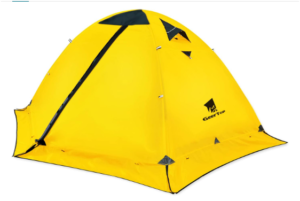
The GEERTOP 2 Person Backpacking Tent is a practical four-season shelter for campers who want dependable protection from changing winter weather without investing in a heavy expedition tent. Made with 210T ripstop polyester and breathable mesh, it combines waterproof protection, snow protection, ventilation, and a spacious two-person interior. At 6.9 pounds, it is especially suitable for weekend camping, backpacking, motorcycle trips, and multi-day backcountry adventures.
Waterproof and Snow-Ready Construction
The tent uses a rugged 210T ripstop polyester rainfly with a PU3000mm waterproof coating to help protect campers from rain and wet conditions. Fully taped seams add another layer of weather protection by reducing the chances of water entering through stitched areas. An extended snow skirt also helps block wind, rain, and occasional snow around the lower edges of the shelter, making it a useful option for winter camping in changing conditions.
Spacious Interior for Two Campers
With interior dimensions of 82.6 × 55 × 45 inches, the GEERTOP provides enough room for two campers to stretch out after a long day outdoors. The tent also includes dual vestibules, giving each camper useful storage space for muddy boots, backpacks, and other equipment. Keeping these items outside the main sleeping area helps make the interior cleaner and more organized.
Breathable Mesh for Better Ventilation
Winter tents need protection from cold air, but they also need adequate ventilation to control condensation. The GEERTOP combines its weather-resistant outer layer with breathable mesh panels that encourage airflow. The dual-door configuration also makes it easier to open the shelter for additional ventilation when conditions allow. This balance can help keep the sleeping area more comfortable during cold nights.
Lightweight and Portable Design
At 6.9 pounds, this tent is relatively manageable for a two-person four-season shelter. It packs down to approximately 17 × 7 × 7 inches, making it easier to transport in a backpack, motorcycle luggage, or vehicle. While it is not an ultralight tent, the weight provides a reasonable compromise between durability, interior space, and four-season functionality.
Quick and Simple Setup
The GEERTOP is designed with a lightweight aluminum two-pole frame and clip-on construction, allowing campers to pitch it in approximately five to eight minutes. Its freestanding structure can also be repositioned before staking, which is convenient when you need to find a better location or adjust the tent’s orientation. This straightforward setup is particularly useful after a tiring day of hiking.
Dual Doors for Convenient Access
Large dual-door entrances make the tent more convenient for two people. Each camper can enter or leave without climbing over the other person, while the separate vestibules provide additional space for storing outdoor gear. The double-wall design also contributes to weather protection while allowing the inner mesh layer to improve airflow.
Pros
• PU3000mm waterproof rainfly
• Durable 210T ripstop polyester construction
• Fully taped seams help prevent water penetration
• Extended snow skirt for added winter protection
• Spacious interior for two campers
• Dual doors provide convenient access
• Dual vestibules offer useful gear storage
• Breathable mesh panels improve airflow
• Lightweight aluminum two-pole frame
• Quick five to eight minute setup
• Freestanding design is easy to reposition
• Compact 17 × 7 × 7 inch packed size
Cons
• 6.9 pounds is relatively heavy for ultralight backpacking
3}OneTigris Stella 4 Season Camping Tent

The OneTigris Stella 4 Season Camping Tent is a lightweight and versatile shelter designed for campers who want dependable protection without carrying a bulky tent. Made with 20D nylon and weighing just 4.4 pounds (2 kg), it is well suited to backpacking, bushcrafting, everyday camping, and cold-weather adventures. Its four-season design combines a breathable mesh inner tent, waterproof outer layer, and durable floor to create a comfortable shelter for changing outdoor conditions.
Lightweight and Durable Nylon Construction
The Stella uses a 20D nylon outer fabric with a single-layer silicone coating, giving the tent a useful combination of durability and low weight. At only 4.4 pounds, it is considerably easier to carry on backpacking trips than many heavier four-season shelters. The lightweight construction makes it a practical choice for campers who need to move between campsites or travel long distances with their gear.
3000mm Waterproof Protection
Weather protection is an important consideration when camping during winter and other wet conditions. The Stella has a 3000mm waterproof rating, helping protect the occupants from rain and moisture. Its removable blackout outer tent also provides flexibility, allowing campers to adapt the shelter to different conditions and preferences. The waterproof construction makes the tent suitable for use in a variety of weather conditions, although campers heading into severe alpine environments should choose a shelter specifically rated for extreme snow and wind.
Four Season Interior Design
The tent features a quality mesh inner tent, which promotes airflow while helping create a comfortable sleeping environment. The main body uses 20D nylon, while the tent bottom is made from tougher 40D nylon for additional protection against moisture and ground contact. This combination helps keep the interior dry and comfortable, particularly when camping in humid or damp conditions.
Simple Setup
The OneTigris Stella is designed to make pitching straightforward. Its flexible poles cross at the top of the dome and attach securely to all four corners of the floor. This structure creates a stable shelter while keeping the setup process relatively simple. The included setup kit contains the necessary poles, stakes, guy lines, and storage bag, making it convenient to carry as a complete camping system.
Compact and Portable
When packed, the Stella measures approximately 19.7 × 5.9 inches (50 × 15 cm), giving it a relatively compact profile for transportation. Once assembled, it measures approximately 6.9 × 4.1 × 3.7 feet (2.1 × 1.25 × 1.15 m). The 4.4-pound weight makes it particularly appealing to campers who prioritize portability while still wanting a four-season-oriented shelter.
Complete Setup Kit
The tent comes with tent poles, 10 stakes, four 8.2-foot (2.5 m) guy lines, and a storage bag. Having the major setup components included means campers do not have to purchase basic pitching equipment separately. The guy lines also provide additional options for securing the tent in windy conditions.
Pros
• Lightweight 4.4-pound design
• Durable 20D nylon outer fabric
• 3000mm waterproof rating
• Four-season design
• Breathable mesh inner tent
• Durable 40D nylon tent floor
• Removable blackout outer tent
• Straightforward dome-style setup
• Compact packed size
• Includes 10 stakes and four guy lines
• Suitable for backpacking and bushcrafting
• Complete storage and setup kit included
Cons
• Interior dimensions are relatively compact
4}ALPS Mountaineering Tasmanian 2 Person Tent

The ALPS Mountaineering Tasmanian 2 Person Tent is a sturdy four season shelter designed for campers who need reliable protection in demanding weather. Made from 100% polyester and equipped with weatherproof aluminum poles, a full coverage fly, and a highly water resistant floor, this tent is well suited to winter camping, backpacking, and other cold weather adventures. Its generous interior and two vestibules also make it a practical choice for two campers carrying bulky gear.
Strong Four Season Weather Protection
The Tasmanian is built specifically with four season camping in mind. Its full coverage fly helps shield the tent from rain, wind, and snow, while the weatherproof shock cord aluminum poles provide a sturdy framework. The tent floor features a 5000mm waterproof coating, giving campers strong protection from moisture coming up from wet or snowy ground.
The tent also has fully closable vents, allowing campers to adjust airflow according to the weather. Weatherproof fly buckles provide additional security when conditions become challenging, helping keep the rainfly firmly positioned over the tent.
Spacious Two Person Design
With a base measuring 7 feet 8 inches long by 5 feet 2 inches wide, the Tasmanian provides useful sleeping and gear space for two people. Its 46 inch center height offers enough room to sit up comfortably, although it is not tall enough for standing.
The interior is particularly useful for winter camping because bulky sleeping bags, insulated clothing, and other cold weather equipment can take up considerable space. The additional vestibule areas help prevent gear from overwhelming the main sleeping compartment.
Two Doors and Two Vestibules
One of the most convenient aspects of the Tasmanian is its two door and two vestibule configuration. Each camper can enter or leave from their own end of the tent, reducing the need to climb over a sleeping partner during the night.
The vestibules provide additional protected storage for boots, backpacks, and other equipment. They also help keep wet or muddy gear outside the main sleeping area, which is especially useful during winter trips.
Fast and Straightforward Assembly
The Tasmanian uses a freestanding pole system that makes setup relatively simple. Pole clips quickly snap over the aluminum poles, allowing the tent to be assembled without a complicated pitching process.
A freestanding structure also gives campers flexibility when choosing and positioning a campsite. Once assembled, the tent can be repositioned before being fully secured with the included stakes and guy ropes.
Practical Interior Features
The tent comes equipped with several useful storage and organization features. Mesh storage pockets provide convenient places for smaller personal items, while the included gear loft creates additional overhead storage.
The use of #8 zippers adds durability to frequently used entry points, while the included aluminum stakes and guy ropes help campers secure the shelter against changing weather conditions.
Portable but Substantial
The Tasmanian measures approximately 21 inches long by 6.5 inches in diameter when packed. Its total weight is 7 pounds 15 ounces, which is relatively substantial compared with lightweight backpacking tents.
That extra weight reflects its four season construction and spacious design. It is therefore better suited to campers who prioritize durability, interior space, and weather protection over ultralight packing.
Pros
• Four season construction
• Full coverage rainfly
• 5000mm waterproof coating on the tent floor
• Weatherproof shock cord aluminum poles
• Fully closable vents
• Two doors for convenient entry and exit
• Two vestibules for protected gear storage
• Freestanding design
• Quick snap over pole clips
• Durable #8 zippers
• Mesh storage pockets
• Included gear loft
• Aluminum stakes and guy ropes included
• Spacious 7’8″ × 5’2″ base
Cons
• Nearly 8 pounds, making it heavy for long distance backpacking
5}Hilleberg Allak 2 & 3 Person 4 Season All Weather Tent

The Hilleberg Allak 2 & 3 Person 4 Season All Weather Tent is a premium shelter designed for campers who demand reliable performance throughout the year. Available in two and three person configurations, the Allak is a fully freestanding dome tent with two spacious vestibules, making it suitable for everything from comfortable fair weather camping to challenging winter trips involving strong winds and heavy snow. Its combination of premium materials, thoughtful design, and robust construction makes it an excellent choice for serious winter camping.
Exceptional Four Season Performance
The Allak is designed to perform across a wide range of conditions. Its strong dome structure provides stability when exposed to high winds and heavy snow, while the fully freestanding design makes it easier to pitch on different types of terrain. The two roomy vestibules provide protected space for storing backpacks, boots, and other outdoor equipment, while the generous interior helps make extended stays more comfortable.
Whether used during a snowy winter expedition or a summer camping trip, the Allak is designed to provide dependable protection. This versatility makes it appealing to campers who want one high quality shelter that can be used throughout the year.
Premium Kerlon 1200 Outer Fabric
Hilleberg uses its Kerlon 1200 fabric for the outer tent. This is a triple silicone coated 30D ripstop nylon designed to deliver exceptional tear strength while remaining fully waterproof and windproof. The material provides a strong barrier against harsh weather without relying on excessively heavy fabric.
The tent floor is made from 70D fabric with a remarkable 15,000mm hydrostatic head, providing substantial resistance against water and moisture from wet or snowy ground. Together, these materials give the Allak the kind of weather protection expected from a premium four season shelter.
Strong and Lightweight Pole System
The Allak uses 9mm DAC Featherlite aluminum poles, which provide a useful balance between strength and weight. These poles form the dome structure and help the tent maintain its shape when exposed to challenging weather.
For winter campers, a dependable pole system is particularly important because accumulated snow and strong winds can place considerable stress on a tent. The Allak’s robust construction is designed to handle these conditions while remaining relatively easy to pitch.
Innovative Linked Inner and Outer Tent Design
One of the most practical design elements is the linked inner and outer tent construction. Both sections can be pitched together, which helps keep the inner sleeping area dry when setting up in rain or snow. This can be particularly valuable during winter camping when keeping moisture away from sleeping equipment is a priority.
The tent also includes a color coded pole sleeve and clip system, making it easier to identify where the poles belong during setup. Pre attached guy lines further simplify the process and provide additional options for securing the tent in windy conditions.
Excellent Ventilation and Interior Organization
Although the Allak is designed for severe weather, ventilation has not been overlooked. Adjustable ventilation systems allow campers to manage airflow and help reduce condensation inside the shelter.
The tent also includes interior storage pockets, giving campers convenient places to organize smaller equipment and personal belongings. Roll away doors add flexibility by allowing campers to open up the entrances when weather conditions permit.
Thoughtful Four Season Features
The Allak includes several small details that contribute to its overall functionality. Pre attached guy lines with line runners make securing the tent more convenient, while the adjustable ventilation system helps manage the interior environment. The roll away doors provide flexible access, and the spacious vestibules create additional protected storage.
These features are particularly valuable during winter trips, when campers may spend more time inside the tent because of cold temperatures, snow, or strong winds.
Quality European Production
Hilleberg has been producing tents since 1971, and the Allak reflects the company’s focus on quality and durability. The tent is made in Estonia by trained Hilleberg Tentmakers, and each tent is set up and thoroughly inspected before being shipped.
The company also states that its tents meet high environmental standards and use PFAS free materials in production. This adds another consideration for buyers looking for a premium shelter produced with attention to manufacturing quality and environmental requirements.
Everything Needed for Setup
The Allak comes with a comprehensive collection of setup and repair equipment. Included components consist of the inner and outer tent with attached guy lines and line runners, tent bag, three poles, spare pole section with repair sleeve, pole bag, and peg bag.
The Allak 2 includes 12 aluminum V pegs, while the Allak 3 includes 14 aluminum V pegs. A pitching instruction booklet is also included, giving campers the essential equipment needed to get the shelter ready for use.
Pros
• Excellent four season performance
• Fully freestanding dome design
• Strong protection against high winds and heavy snow
• Two spacious vestibules
• Premium Kerlon 1200 outer fabric
• Triple silicone coated 30D ripstop nylon
• 15,000mm hydrostatic head floor
• Strong 9mm DAC Featherlite aluminum poles
• Linked inner and outer tent construction
• Inner tent stays protected during pitching
• Adjustable ventilation systems
• Pre attached guy lines
• Color coded pole sleeve and clip system
• Roll away doors
• Interior storage pockets
• Available in two and three person configurations
• Spare pole section and repair sleeve included
• PFAS free materials
Cons
• Premium price may be beyond the budget of casual campers
Advantages of Using Four Season Tents for Winter Camping
1. Better Protection From Harsh Weather
Four season tents provide stronger protection against challenging winter conditions such as snow, rain, strong winds, and cold temperatures. Their weather resistant outer fabrics, full coverage rainflies, waterproof floors, and secure construction help create a reliable barrier between campers and the elements. This makes them particularly useful when weather conditions can change quickly during a winter trip.
2. Improved Snow and Wind Resistance
These shelters are designed with stronger frame systems and structures that can better withstand snow loading and strong winds than ordinary three season tents. Reinforced poles, sturdy dome designs, guy lines, and secure anchoring points help maintain stability when conditions become difficult. This added structural strength can provide greater confidence when camping in exposed or snowy locations.
3. Greater Warmth in Cold Conditions
Reduced mesh coverage and enclosed outer layers can help limit drafts and retain more warmth inside the sleeping area. While a tent does not replace a good sleeping bag or insulated sleeping pad, a properly designed winter shelter can make the camping environment more comfortable by reducing exposure to cold air and wind.
4. Excellent Waterproof Protection
High waterproof ratings, coated fabrics, taped seams, and protective tent floors help prevent rain, melted snow, and ground moisture from entering the shelter. This is especially valuable during winter because moisture inside a tent can make sleeping uncomfortable and can potentially dampen clothing and camping equipment. Strong waterproof construction helps keep the interior dry during wet conditions.
5. Better Condensation Management
Winter camping often creates condensation because warm, humid air from breathing comes into contact with cold tent surfaces. Many four season designs include adjustable vents and strategically positioned mesh sections to encourage airflow while still providing protection from the weather. Proper ventilation can reduce moisture buildup and create a more comfortable sleeping environment.
6. More Comfortable Storage for Gear
Vestibules provide valuable protected space outside the main sleeping compartment. Campers can store boots, backpacks, cooking equipment, and other gear without filling the sleeping area. This is particularly useful in winter because cold weather equipment tends to be larger and bulkier than standard camping gear.
7. Convenient Access and Organization
Multiple doors, storage pockets, gear lofts, and vestibules can make life at camp much easier. Separate entrances allow two campers to get in and out without disturbing each other, while interior storage keeps smaller items organized and within reach. These features become increasingly useful when campers spend longer periods inside the tent because of cold or unpleasant weather.
8. Easier Setup in Difficult Conditions
Freestanding frames, color coded pole systems, clips, and straightforward pitching designs can make setting up camp easier after a long day outdoors. Some designs allow the shelter to be repositioned before final staking, while linked inner and outer sections can help keep the sleeping area dry during setup in rain or snow. Simple pitching is especially valuable when dealing with cold temperatures, wind, or gloves.
9. Portability for Winter Adventures
Lightweight materials and compact packed dimensions make several of these shelters practical for backpacking, snowshoeing, ski touring, and other activities where equipment has to be carried. Although some four season tents are relatively heavy, their additional weight can provide greater durability and weather protection. Campers can therefore choose a balance between portability, comfort, and strength according to the type of trip.
10. Versatility Across Different Seasons
A major advantage is that these shelters can be used beyond winter. Their strong weather protection makes them suitable for spring and autumn trips, while ventilation systems and removable outer layers can provide greater flexibility during milder conditions. This versatility means campers can potentially use one quality shelter throughout much of the year rather than purchasing separate tents for different seasons.
Next read :6 Best family camping tents
Factors to Consider When Choosing the Best Winter Camping Tents
1. Four Season Construction
Choose a tent specifically designed for four season use rather than relying on a standard three season model. A good winter tent should be built to handle snow, strong winds, cold temperatures, and wet conditions. Stronger materials, reinforced structures, reduced mesh coverage, and weather resistant components can provide the protection needed for winter camping.
2. Waterproofing and Weather Protection
Waterproofing is essential when camping in rain, snow, or wet environments. Look for a tent with a waterproof rainfly, sealed or taped seams, and a highly water resistant floor. A higher waterproof rating can provide additional protection from moisture, while full coverage designs help prevent rain and melting snow from reaching the inner sleeping area.
3. Wind and Snow Resistance
Winter conditions can place considerable stress on a tent, particularly in exposed locations. Consider the strength of the poles, frame design, guy lines, stakes, and overall shape. Dome and other aerodynamic structures can help distribute wind and snow loads more effectively, while sturdy poles and secure anchoring points help keep the shelter stable.
4. Size and Interior Space
Consider how many people will use the tent and how much winter equipment needs to be stored. Cold weather sleeping bags, insulated clothing, boots, and backpacks can require considerably more space than normal camping gear. A tent with sufficient floor area and headroom can make extended trips more comfortable, while vestibules provide additional room for equipment without overcrowding the sleeping compartment.
5. Ventilation and Condensation Control
Good ventilation is particularly important during winter because condensation can accumulate inside a sealed shelter. Look for adjustable vents, breathable mesh sections, and doors that can be opened when conditions allow. A well ventilated design helps regulate airflow and reduce moisture while still maintaining adequate protection from cold weather.
6. Weight and Packability
If you plan to hike, ski, or snowshoe to your campsite, the tent’s weight and packed size are important considerations. Lightweight materials can make long-distance travel easier, but extremely light construction may involve compromises in durability or severe weather performance. Choose a balance between portability, strength, and protection based on how far you expect to carry the tent.
7. Setup and Stability
Winter camping can make tent setup more difficult because of cold temperatures, snow, wind, and limited daylight. A straightforward pitching system with strong poles, clips, sleeves, and clear attachment points can save time and effort. Freestanding designs can also be useful because they allow the shelter to be positioned before it is fully staked and secured.
8. Durability and Materials
The quality of the materials has a direct effect on how well a winter tent performs over time. Look for durable ripstop fabrics, strong aluminum or composite poles, reliable zippers, reinforced attachment points, and quality stakes and guy lines. A well constructed tent may cost more initially, but durable materials can provide better reliability for repeated winter trips and demanding outdoor use.
FAQs Best Winter Camping Tents
1. What makes a tent suitable for winter camping?
A good winter camping tent should have four season construction, strong poles, a durable weatherproof rainfly, and a waterproof floor. It should also provide protection against snow and strong winds while maintaining adequate ventilation to control condensation. Features such as vestibules, sturdy guy lines, and reduced mesh coverage can further improve comfort and protection in cold conditions.
2. Are four season tents completely waterproof and suitable for heavy snow?
Four season tents are designed to provide a high level of protection from rain and snow, but performance varies between models. Look for features such as high waterproof ratings, taped seams, full coverage rainflies, strong frames, and snow skirts or other snow-shedding designs. For extreme alpine conditions or heavy snow loading, choose a tent specifically engineered for severe mountaineering rather than relying solely on a basic four season label.
3. How do I choose the right winter camping tent for my needs?
Start by considering the number of campers, expected weather conditions, tent weight, interior space, waterproofing, ventilation, and setup process. Backpackers may prefer a lighter and more compact shelter, while car campers can benefit from a heavier tent with more interior space. For challenging winter trips, prioritize structural strength and weather resistance, while moderate winter campers may place greater emphasis on comfort, portability, and value.
Conclusion
The best winter camping tents combine reliable four season protection, durable materials, strong frames, waterproof construction, effective ventilation, and practical interior space to keep campers comfortable in challenging conditions. The right choice depends on your camping style, expected weather, group size, and how much weight you are willing to carry. Lightweight designs are ideal for backpacking and alpine adventures, while roomier and heavier shelters can provide greater comfort and stability for extended trips. By considering weather resistance, snow and wind protection, ventilation, durability, setup, portability, and storage space, you can choose a winter tent that provides dependable shelter and helps make cold weather adventures safer and more enjoyable.